
Hand hygiene plays a vital role in maintaining a clean and safe commercial environment. Whether it is a hotel, office, hospital, school, restaurant, or shopping mall, choosing the right soap dispenser can improve user experience, reduce maintenance costs, and encourage proper handwashing habits. However, with so many options available, selecting the most suitable dispenser can be challenging.
This guide will help you understand the key factors to consider when choosing a commercial soap dispenser.

1. Choose Between Manual and Automatic Dispensers
The first decision is whether to use a manual or automatic soap dispenser.
Manual soap dispensers are cost-effective, easy to install, and require little maintenance. They are ideal for offices, restaurants, warehouses, and other facilities with moderate traffic.
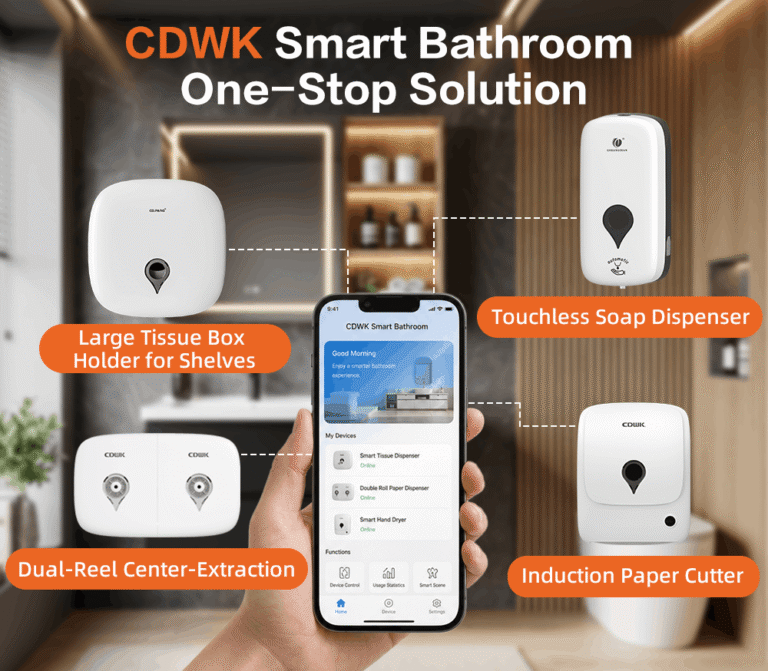
Automatic soap dispensers provide a touch-free experience, helping reduce cross-contamination while enhancing hygiene. They are widely used in hospitals, hotels, airports, and other high-traffic public washrooms where cleanliness is a priority.
Your choice should depend on your budget, expected traffic, and hygiene requirements.

2. Select the Right Soap Type
Different commercial soap dispensers are designed to work with different types of soap, so selecting the right combination is important.
- Liquid soap dispensersare the most versatile and compatible with a wide range of liquid soaps.
- Foam soap dispensersproduce rich foam while using less soap, making them a cost-effective and environmentally friendly solution.
- Spraysoap dispensers are suitable for low-viscosity sanitizers and alcohol-based hand sanitizers, making them popular in healthcare facilities and public spaces.
Selecting the right soap type can improve user satisfaction while reducing soap consumption.
3. Consider Capacity
The dispenser capacity directly affects how often staff need to refill it.
Smaller dispensers are suitable for offices or locations with low visitor numbers, while larger capacities are recommended for busy commercial environments such as shopping malls, airports, schools, and factories.
A larger capacity helps reduce maintenance time and ensures the dispenser remains available during peak hours.
4. Pay Attention to Material Quality
The material of the dispenser influences both durability and appearance.
ABS plastic is one of the most commonly used materials for commercial soap dispensers because it is lightweight, impact-resistant, corrosion-resistant, and easy to clean.
For premium environments, stainless steel offers a modern appearance and excellent durability, although it usually comes at a higher cost.
Selecting durable materials can improve the dispenser’s lifespan, enhance reliability, and help reduce long-term maintenance costs.
5. Evaluate Ease of Maintenance
Maintenance is often overlooked during purchasing, but it significantly affects long-term operating costs.
A well-designed commercial soap dispenser should include features such as:
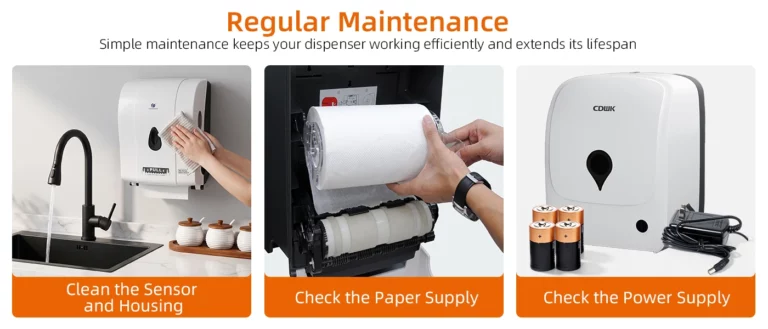
- A transparent window for checking the soap level.
- A secure key lock to prevent unauthorized opening.
- Easy refill access to reduce maintenance time.
- Larger capacities reduce the frequency of refills.
- Reliable dispensing performance to minimize leakage or clogging.
These features help facility managers improve efficiency while keeping washrooms clean and fully supplied.
6. Consider Design and User Experience
In commercial washrooms, the appearance and user experience of a soap dispenser are also important factors to consider. A well-designed dispenser not only provides reliable performance but also helps create a cleaner and more professional environment.
The design should match the style and requirements of the installation area. For example, hotels and premium office buildings may prefer modern designs with elegant finishes, while schools, factories, and public facilities may focus more on durability and easy operation.
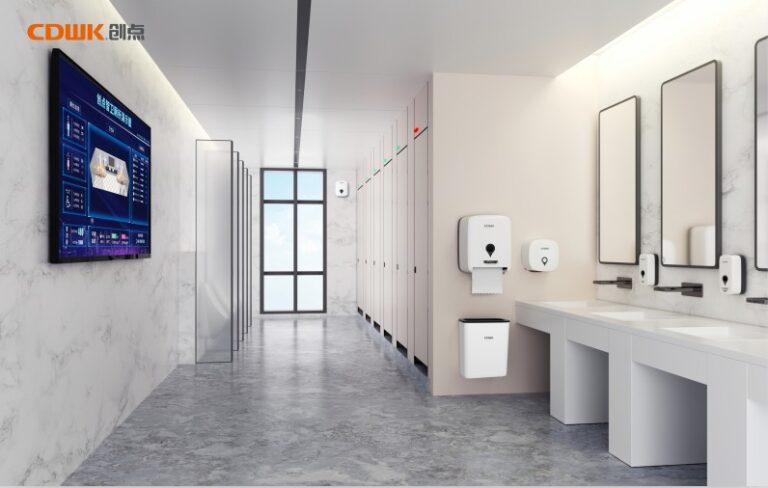
Installation methods should also be considered during the selection process. Wall-mounted soap dispensers can help save space, keep countertops clean, and improve overall washroom organization. In addition, features such as clear soap-level windows, smooth dispensing systems, and ergonomic designs can improve the user experience.
For businesses with specific branding requirements, customized solutions such as logo printing, color customization, and product design adjustments can help create a consistent brand image across different facilities.
Choosing a dispenser that combines functionality, durability, and attractive design can provide better value for both users and facility managers.

7. Match the Dispenser to the Application
Different industries have different requirements.
Hospitals and healthcare facilities often prefer touch-free dispensers to improve infection control.
Hotels usually focus on elegant design and user experience.
Schools require durable products that can withstand frequent use.
Restaurants and food processing facilities often prioritize hygiene, easy cleaning, and reliable performance.
Understanding your operating environment helps ensure you choose the most suitable solution.
Final Thoughts
Choosing the right commercial soap dispenser is about much more than appearance. Factors such as dispenser type, soap compatibility, capacity, material, and maintenance requirements all influence long-term performance and operating costs.
By carefully evaluating your facility’s needs, you can select a soap dispenser that improves hygiene, enhances user satisfaction, and reduces maintenance efforts.
If you are looking for reliable commercial soap dispensers with OEM and ODM customization options, partnering with an experienced manufacturer can help you find the ideal solution for your market and business needs.