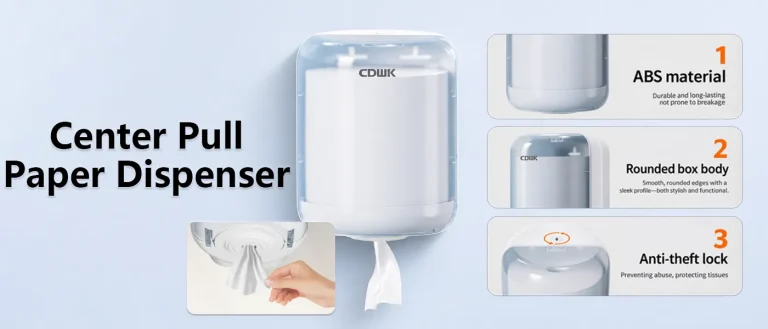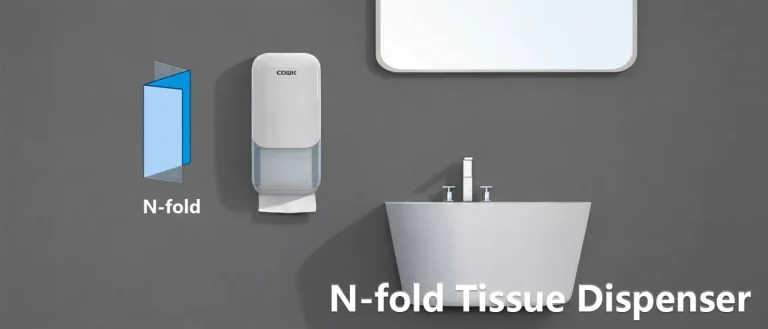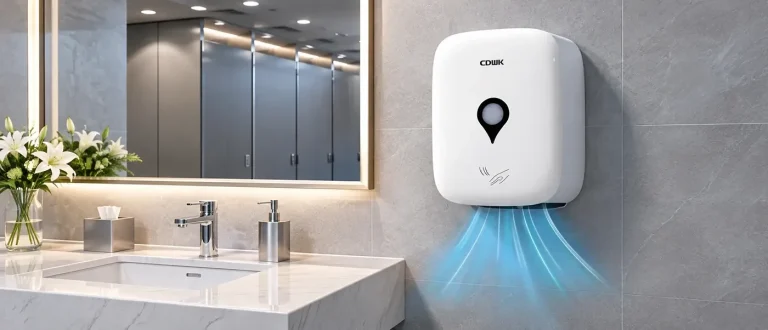

Sometimes the measure of a city isn’t the height of its skyline — it’s the state of its public restroom. Daily public hygiene touches everyone, every day. Here’s why it matters, and where it’s heading next.
Daily Public Hygiene: The Quiet Defense Line We All Rely On
The first value of daily public hygiene is health. Handwashing, ventilation, cleaning, disinfection — these unremarkable routines are among the most cost-effective ways to interrupt the spread of germs. In the chain of disease prevention, public hygiene isn’t a nice-to-have; it is the front line.
The second value is reach. From airports and railway stations to shopping malls, hospitals and schools, public restrooms serve billions of visits every year. Unlike a restaurant, you can’t simply “vote with your feet” — when a restroom falls short, everyone pays the price. Its standard sets the baseline experience of any public space.
The third value is civilization. Since 2015, China’s “Toilet Revolution” has turned public sanitation into a national priority, expanding from tourist sites to urban and rural communities, with dedicated central funding launched in 2019 news. It’s a reminder that progress in public health is never just about hardware — it’s about habits, governance, and a shared sense of dignity.
The Public Restroom: The Last Mile of Public Hygiene
If daily public hygiene is a network, the public restroom is its densest — and most overlooked — node.
The pain points are familiar: empty tissue dispensers, missing soap, lingering odors, slippery floors, long queues, broken fixtures that no one fixes in time. Each one is a small failure of experience — and a steady drain on operating costs and reputation.
Management is often manual: restrooms are “opened when built, repaired when broken, cleaned when dirty.” Cleaning is scheduled by habit rather than by data — which means effort doesn’t always land where it’s needed.
That’s why the public restroom is the industry’s true “last mile”: the place where shortcomings concentrate — and where improvement delivers the most visible return.
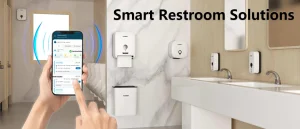
Change #1: Smart Restroom Solutions — Built for Speed, Managed for Efficiency
If a traditional restroom is a machine running on manual labor, a smart restroom is a system that senses, thinks, and schedules itself for public hygiene management:
- IoT sensors detect stall occupancy in real time, monitor air quality (ammonia, hydrogen sulfide, humidity), and track foot traffic.
- Data flows to the cloud, where intelligent scheduling turns visitor flow into cleaning and restocking tasks — moving from “people hunting for problems” to “systems dispatching solutions.”
- Odor triggers automatic purification, water and energy use become visible and controllable, and equipment failures are flagged before they escalate — with full traceability.
The results are concrete: shorter queues, faster cleaning response, lower labor and operating costs, and service quality that stays consistent. Airports, metro stations, scenic areas, shopping malls and office buildings are already using data to redefine what “clean” means. Smart restroom technology isn’t about dressing up facilities — it’s about giving public hygiene a high-speed, efficiently managed core (industry coverage, case report).
Change #2: Sustainability — One Roll of Recyclable Tissue at a Time
Upgrading public hygiene must not mean consuming more resources. The second wave of change is sustainability:
- Recycled fiber and bamboo pulp reduce dependence on virgin wood.
- Biodegradable, additive-conscious tissue keeps “clean” and “healthy” on the same side.
- Lighter packaging and take-back recycling close the loop — every roll becomes part of a green cycle.
For facility operators, green procurement is more than corporate responsibility — it’s long-term cost optimization and brand equity. For users, every choice at the dispenser is a vote for a more sustainable future. A single roll of recyclable tissue may seem small, but it’s the most visible sign of an industry turning circular.
The Next Chapter: Smarter, Greener, More Human
The next chapter of the hygiene industry isn’t more expensive equipment — it’s smarter systems and more sustainable choices. As efficiency and sustainability converge, the public restroom will stop being a corner to avoid and become a space people trust. That’s not just progress for the industry — it’s a new stage of value for every professional working in it.
Ready to explore what’s next? The answer might be waiting in a clean, efficient, green public restroom — the very place where your career’s next chapter begins.